How to Tell If You Need Root Canal Therapy: 7 Warning Signs Patients Shouldn't Ignore in Greensboro, NC
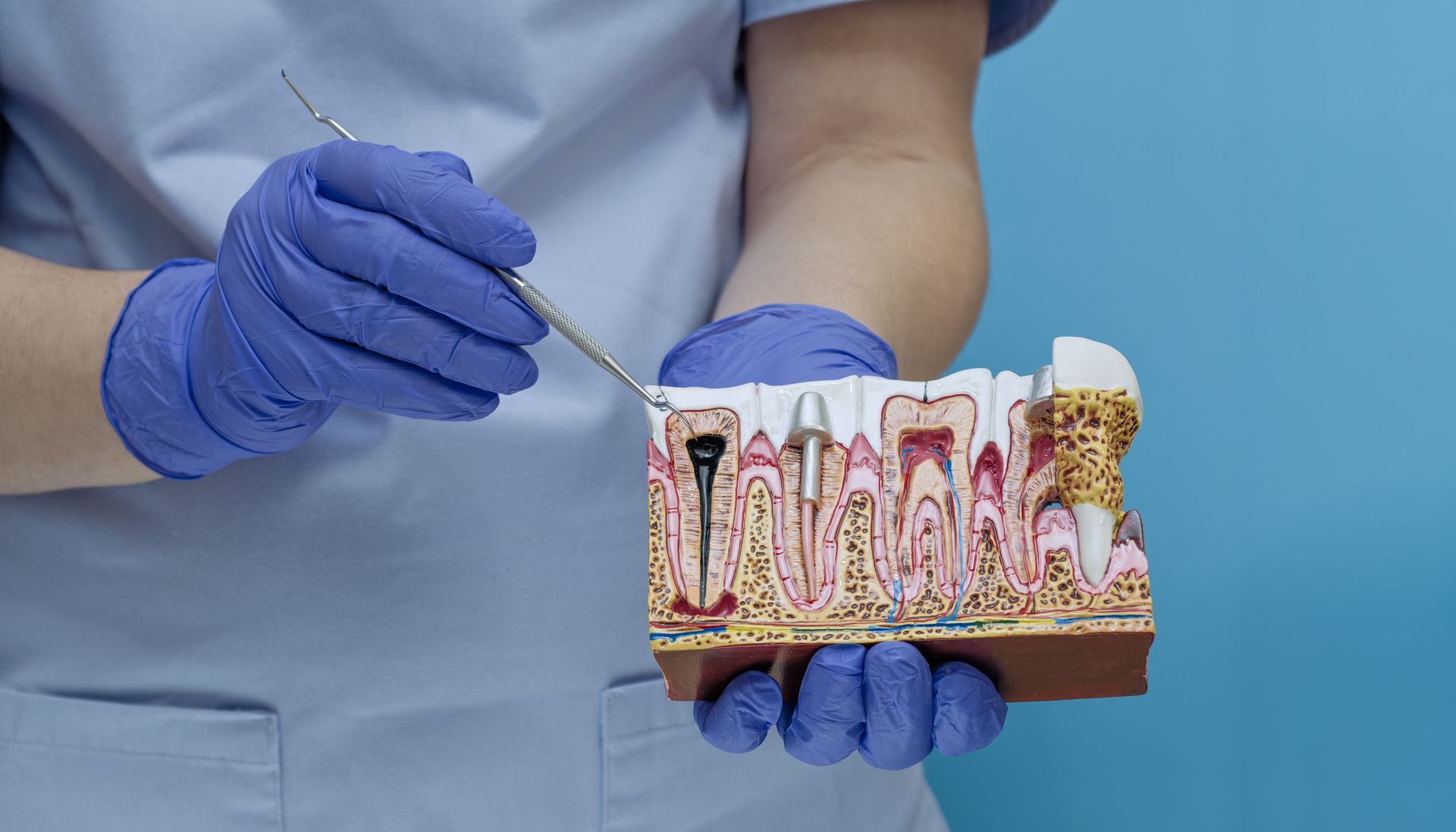
Tooth pain that doesn't go away on its own is one of the most common reasons residents visit a dental office, and knowing when that pain points to the need for root canal therapy can help you act before a small problem becomes a serious one. Many patients delay care simply because they aren't sure what their symptoms mean. This article explains seven warning signs that may indicate your tooth's inner pulp is damaged or infected, and what you can do about it.
Why the Inner Tooth Becomes Infected
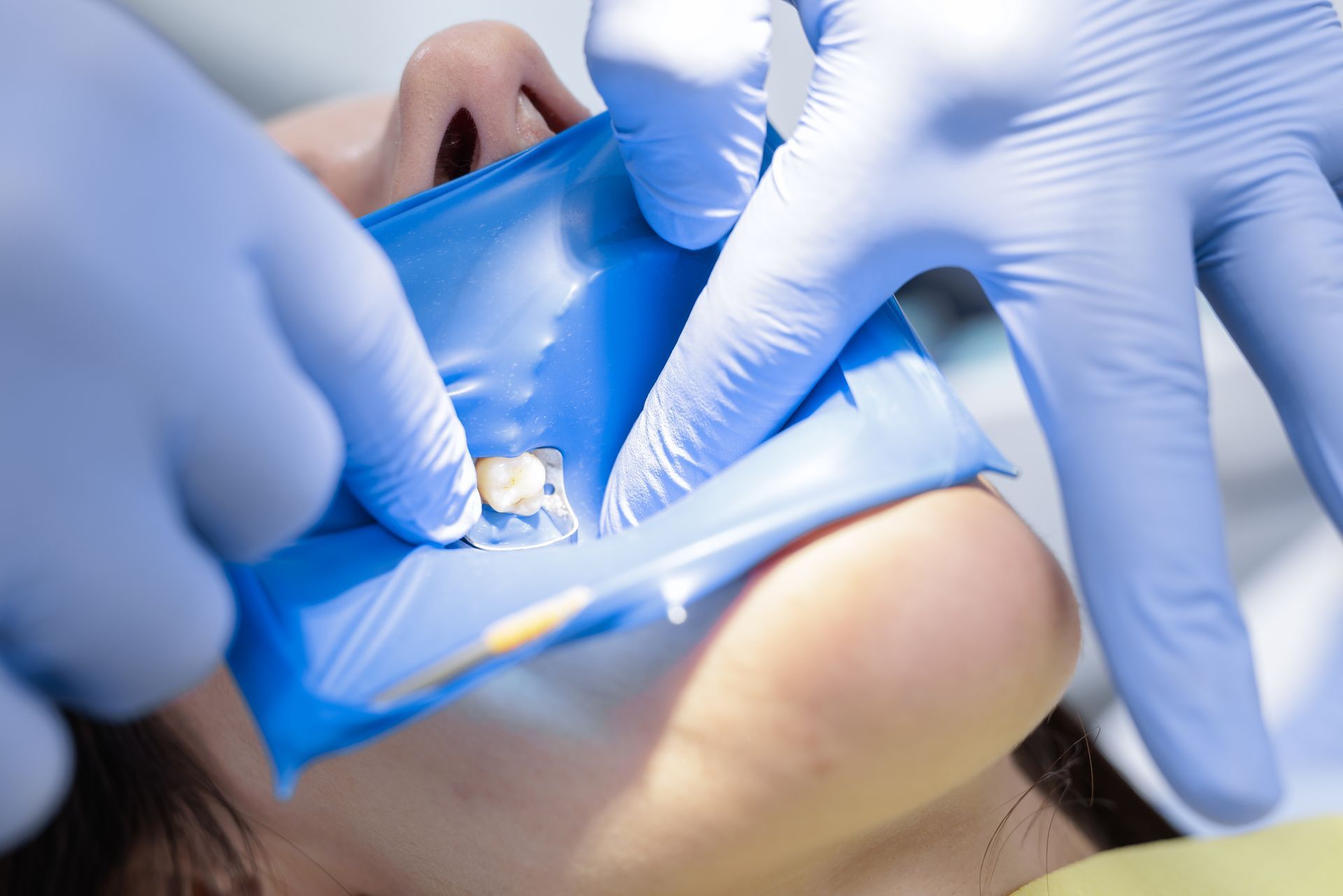
The pulp is the soft tissue inside your tooth that contains nerves and blood vessels. When bacteria reach this tissue through a deep cavity, a crack, or an injury, infection can set in quickly. Left untreated, that infection may spread to surrounding bone and tissue. Root canal therapy removes the infected pulp, cleans the canal, and seals the tooth so it can function normally again.
What Are the 7 Warning Signs You Shouldn't Ignore?
Recognizing the signs early gives your dentist the best chance to save your natural tooth. Patients across Greensboro, NC, who experience any combination of these symptoms are encouraged to seek a dental evaluation promptly.
1. Persistent Toothache That Won't Quit
Ongoing tooth pain is often the first and most obvious indicator. Pain that lingers for more than a day or two, or that returns repeatedly, may suggest the nerve inside the tooth is compromised. This is different from the brief twinge you might feel when biting down on something hard.
2. Prolonged Sensitivity to Heat or Cold
It's normal for teeth to react briefly to temperature. When that sensitivity lingers for 10 seconds or more after the source is removed, however, the nerve may be inflamed or dying. Many patients describe a sharp, shooting sensation that fades slowly rather than stopping right away.
3. Swelling or Tenderness in the Gums
Infected pulp tissue can cause the surrounding gum tissue to become swollen, tender, or even raised. Some patients notice a small pimple-like bump on the gum near the affected tooth. This bump, often called a dental abscess or fistula, can ooze fluid and is a strong signal that infection is present.
4. A Darkened or Discolored Tooth
When the nerve inside a tooth begins to break down, the tooth may gradually darken. A single tooth that is turning gray, yellow, or brown compared to its neighbors may have internal tissue damage. This type of discoloration often won't respond to whitening treatments because it originates from inside the tooth.
5. Pain When Biting or Applying Pressure
A tooth that hurts when you bite down, chew, or even touch it lightly may have an inflamed or infected root. Some patients feel this as a dull ache; others experience a sharp jolt. Either way, discomfort specifically triggered by pressure on one tooth warrants professional attention. Learn more about the full root canal treatment process to understand what to expect if this symptom applies to you.
6. Cracked or Chipped Tooth With Pain
Guilford County patients who live active lifestyles, play sports, or grind their teeth at night are especially prone to cracked and chipped teeth. A crack that extends deep into the tooth can expose the pulp to bacteria over time. If you notice pain after a tooth is cracked or chipped, do not assume it will heal on its own.
7. Deep Decay That Has Been Ignored
Cavities that go untreated for months or years can eventually penetrate through the enamel and dentin all the way to the pulp. By this point, a simple filling is typically no longer enough to address the problem. Patients in neighborhoods like Fisher Park, Irving Park, and Lindley Park who may have deferred routine care should be aware that deep, long-standing decay is one of the most preventable causes of the need for root canal therapy.
What Happens If You Wait Too Long?
Delaying care rarely makes dental infections better. Infection can spread beyond the tooth to the jawbone or nearby teeth, making treatment more complex. In some cases, an untreated tooth may eventually need to be extracted rather than saved. Saving your natural tooth is almost always the preferred outcome, as it supports proper chewing and prevents the surrounding teeth from shifting.
Comfort Options Make Treatment More Manageable
Modern root canal therapy is far more comfortable than its reputation suggests. IV sedation and oral sedation options may be available for patients who experience dental anxiety, allowing treatment to proceed in a calm, relaxed state. Patients who have avoided the dentist for years because of fear often find that sedation dentistry changes the experience entirely. Greensboro-area patients should ask specifically about sedation availability when scheduling their consultation.
Don't Wait to Get Checked
Ignoring these seven warning signs can turn a treatable problem into a dental emergency. Whether your symptoms are mild or severe, an evaluation can determine whether root canal therapy is the right path forward. Check our Google profile to read what patients are saying about their experience.
At High Point Smile Dentistry, we want to help you keep your natural teeth healthy for as long as possible. If you are experiencing any of the symptoms described above, we encourage you to reach out to us today. Our team serves patients throughout Greensboro, High Point, Jamestown, and the surrounding Guilford County area.
Request an appointment
online to schedule your evaluation.