What to Expect After a Root Canal in Greensboro, NC: Recovery, Crowns & Next Steps (2026)
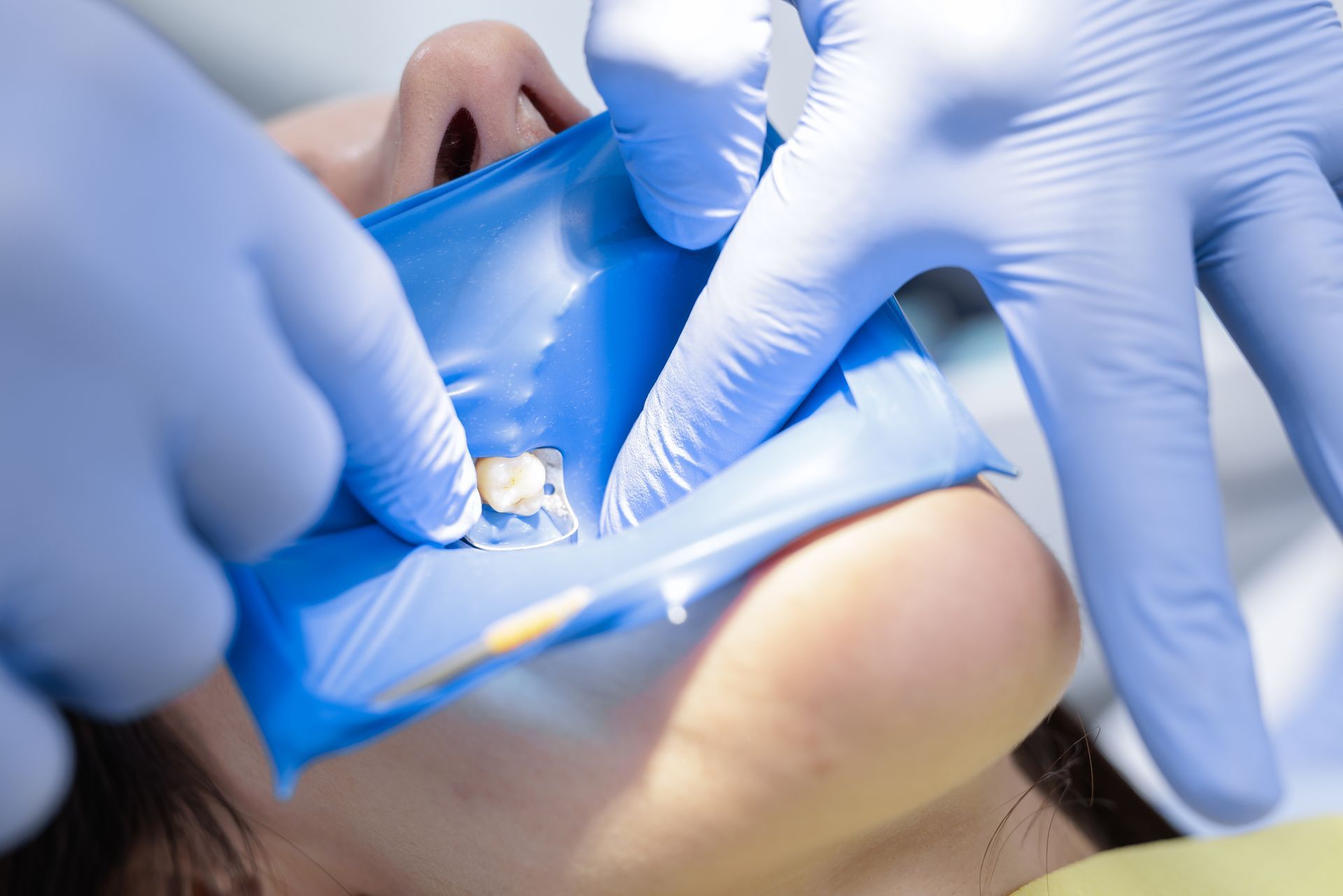
Knowing what happens after this procedure can make the entire experience far less stressful for patients in the Greensboro area. Many people feel anxious before treatment but are caught off guard by the days that follow. This guide walks through the full recovery timeline, explains when a crown is necessary, and covers pain management steps your dentist may recommend.
What the First 72 Hours After Actually Look Like
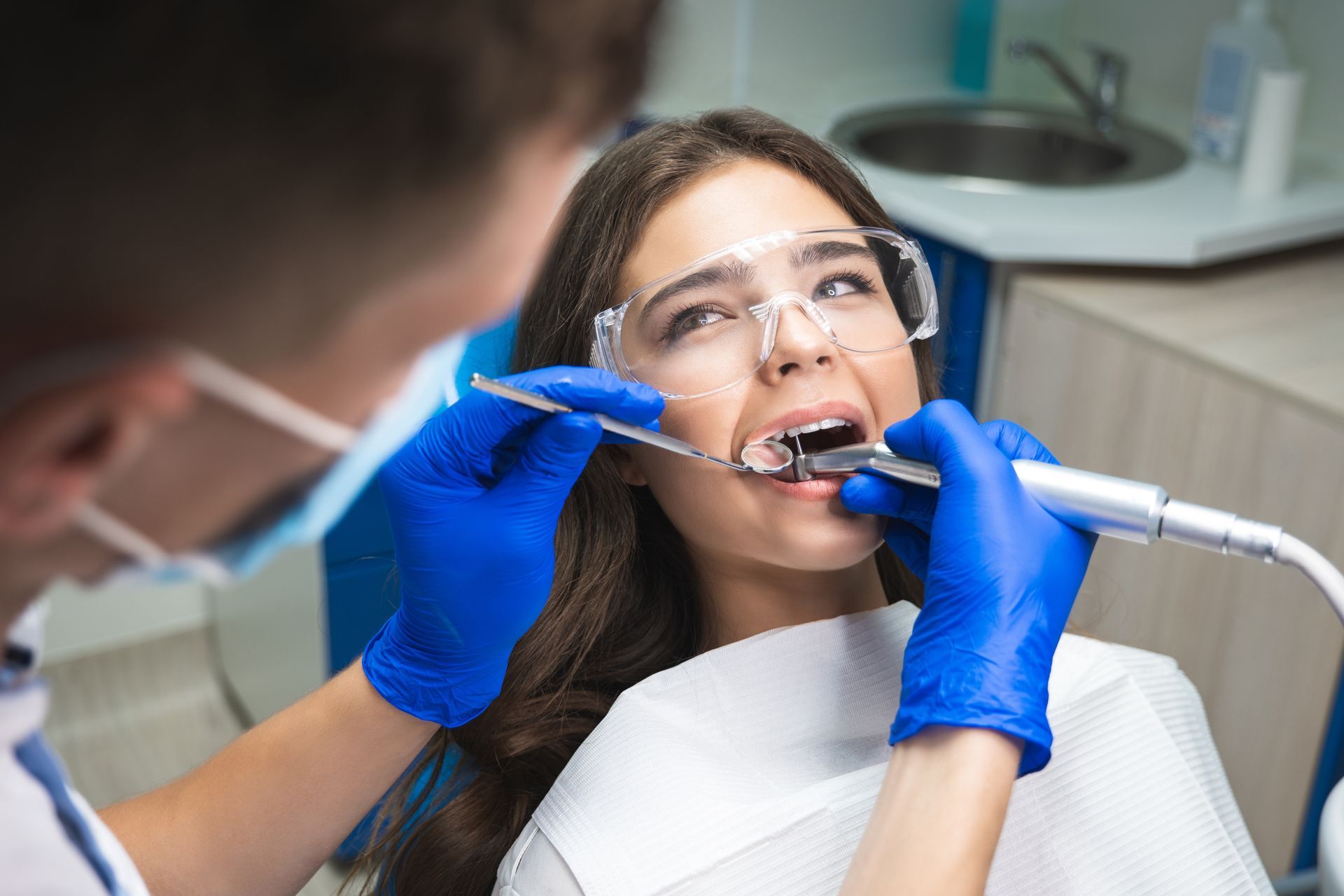
Recovery is typically milder than most patients expect. In the first 24 to 48 hours, it is common to notice tenderness around the treated tooth and mild sensitivity when biting down. This happens because surrounding tissues may experience minor inflammation as part of the normal healing response. Most people return to work or school the same day or the next morning.
During those first three days, the following are generally considered normal: mild to moderate soreness when chewing, slight swelling or tenderness in nearby gum tissue, a temporary filling that feels slightly raised against the bite, and sensitivity to pressure that gradually lessens each day.
Over-the-counter pain relievers, taken as directed, can often manage discomfort effectively. Cold compresses applied to the outside of the jaw in the first 24 hours may also help reduce swelling. If pain sharpens significantly after day three rather than improving, call your dental office promptly.
Do You Always Need a Crown After a Root Canal?
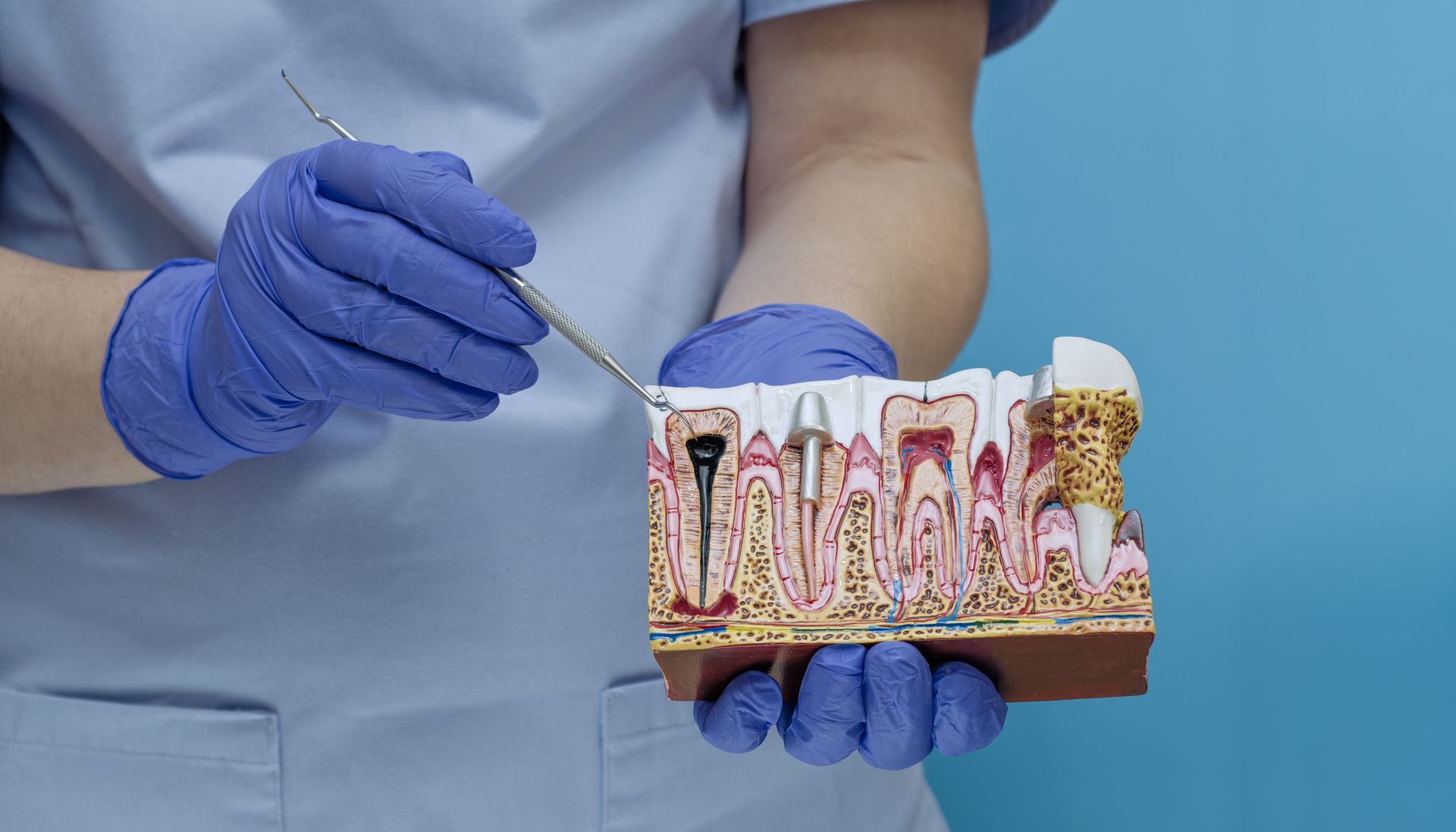
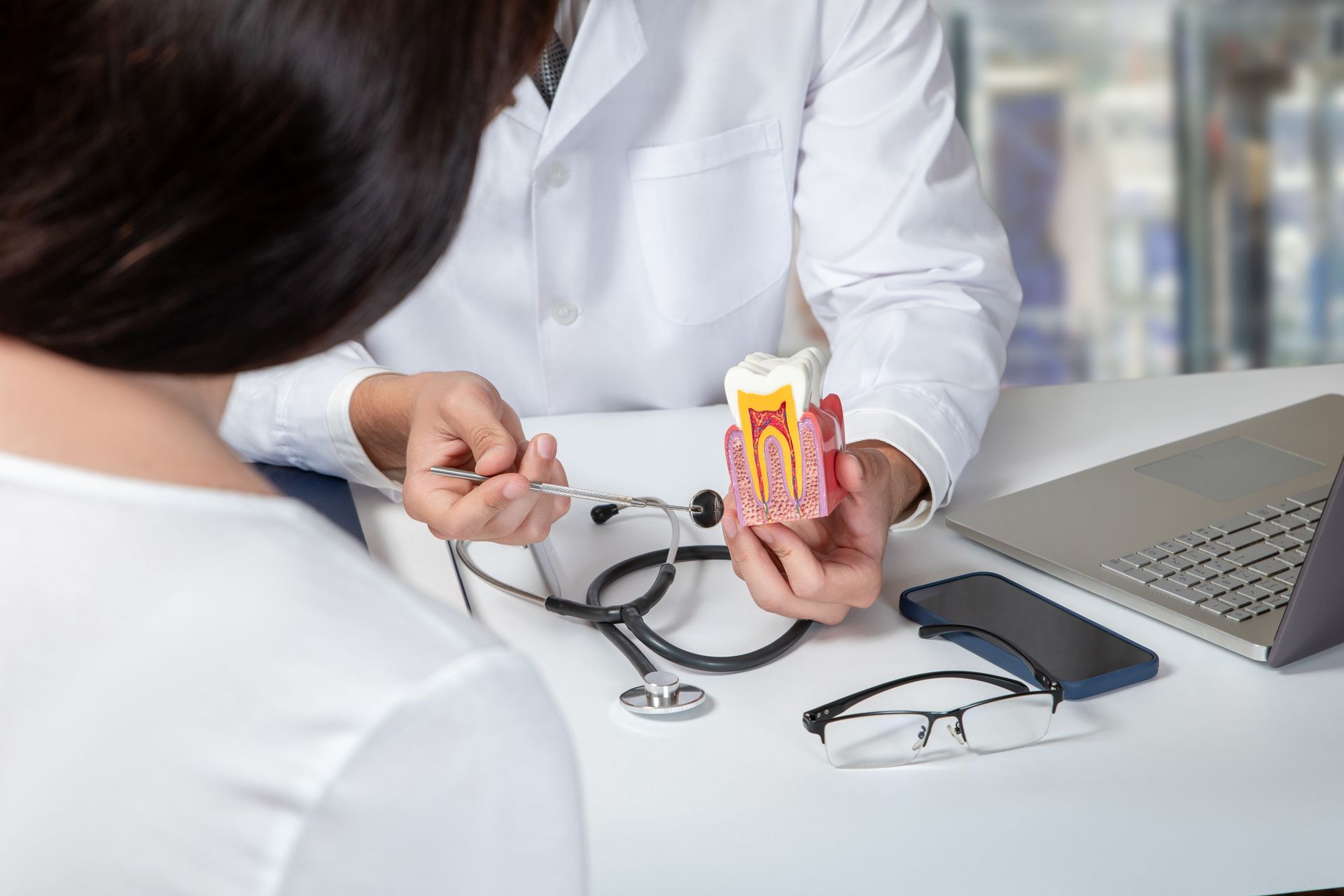
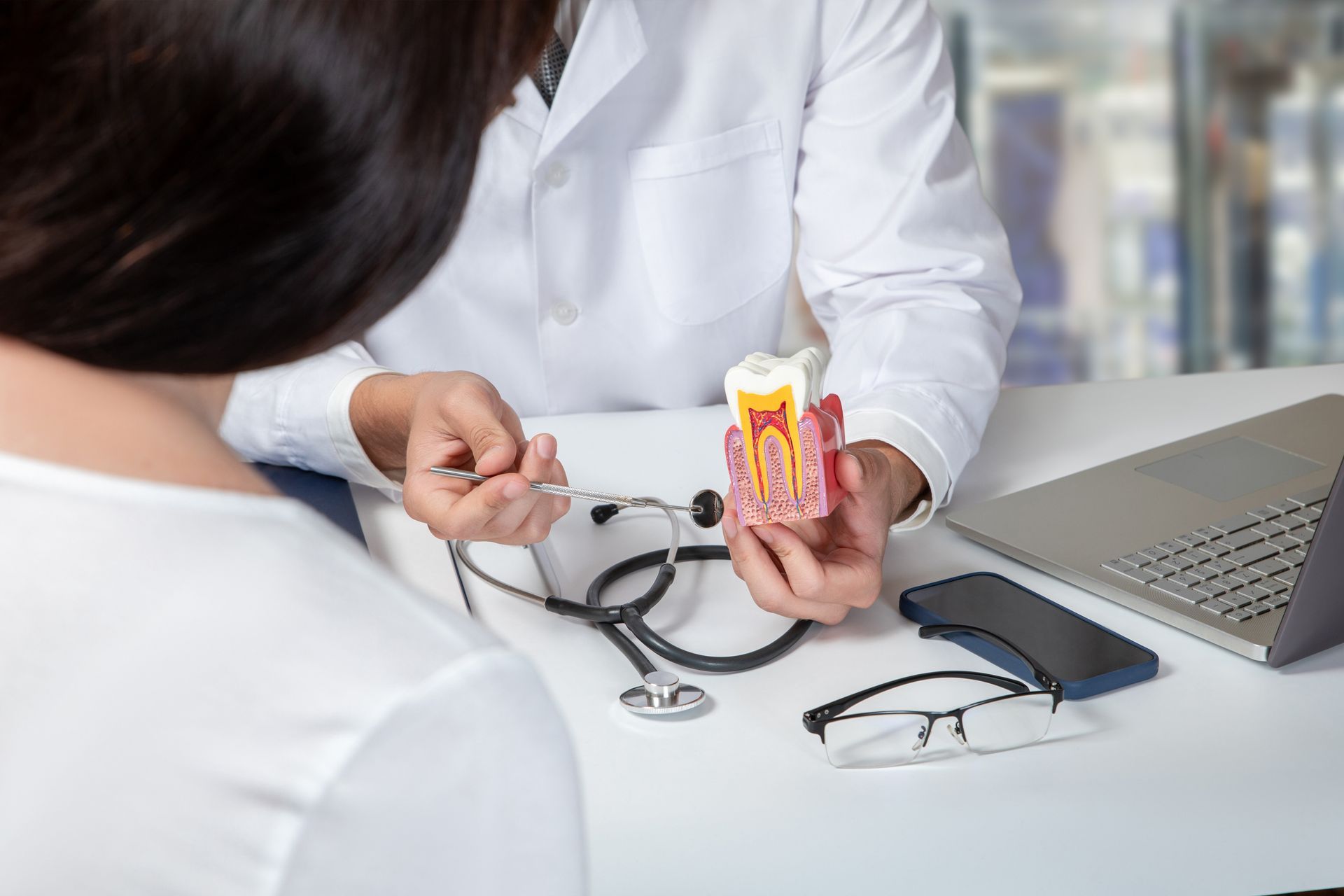
A crown is recommended after most root canal treatments. Once the pulp is removed and the tooth is sealed, the remaining structure can become more brittle over time. A custom dental crown protects that structure, restores biting strength, and helps the tooth look and function normally. Skipping a crown increases the risk of the tooth cracking under everyday chewing pressure, which could require extraction.
There are limited cases where a crown may not be immediately necessary. Front teeth, which endure less biting force than molars, may sometimes be restored with a post and bonded filling instead. Your dentist will evaluate the remaining tooth structure and its location before making that call. For most back teeth, the crown is essential to completing treatment successfully.
A temporary restoration is placed at the end of the appointment to protect the tooth while the permanent crown is fabricated. A follow-up appointment, typically within a few weeks, is when the permanent crown is fitted and cemented. Delaying that second appointment is one of the more common reasons these treatments do not hold up long term.
Pain Management and What Actually Helps During Recovery
Effective pain management after a root canal does not usually require anything beyond what your dentist recommends. Non-prescription anti-inflammatory medications are often sufficient for the first few days. Your dentist may suggest alternating between two types of over-the-counter relief to stay ahead of discomfort during peak soreness hours.
Soft foods are your best option for the first couple of days. Avoid hard, crunchy, or chewy foods until the permanent crown is in place, since the temporary restoration can be dislodged more easily. Chewing on the opposite side of your mouth is a practical habit during this period. Staying hydrated, maintaining gentle oral hygiene around the area, and avoiding very hot or very cold foods all support a smoother recovery.
Some patients wonder whether they should avoid brushing near the treated tooth. The answer is no. Gentle brushing and flossing around the tooth should continue, as keeping the area clean reduces the chance of secondary infection. Just be cautious not to pull floss aggressively around any temporary material in place.
Signs That Something May Need Attention After Your Procedure
Most recoveries are uneventful, but certain signs may indicate a need for a follow-up call or visit. Reach out to your dentist if you notice pain that worsens after day three, visible swelling in the jaw or cheek that increases over time, a fever that develops in the days following treatment, the temporary filling falling out or feeling significantly loose, or an unexpected reaction to any prescribed medication.
None of these are reasons to panic, but they warrant a prompt call. A quick exam can often determine whether the issue is minor or whether additional steps are needed. Early action almost always leads to a simpler solution. You can learn more about the full treatment process on our
root canal therapy page.
The Long-Term Outlook for a Root Canal-Treated Tooth
A tooth treated with a root canal, followed by a properly placed crown, can last many years with the right care. Routine dental exams and consistent brushing and flossing remain the most important factors in preserving that tooth long term.
For most patients, a treated tooth functions just like a natural one once the crown is fully in place. Chewing, speaking, and smiling all return to normal. The goal has always been to help patients avoid tooth loss and the additional steps that come with replacing a missing tooth, such as implants or bridges.
Ready to Take the Next Step Toward a Healthy Smile?
At High Point Smile Dentistry, serving Greensboro, NC, our team guides you through every stage of root canal treatment and recovery. We use modern techniques designed to make the experience as comfortable and efficient as possible and are always available to answer questions between appointments. If you are due for a follow-up crown placement or have concerns about your recovery, reach out today. Call us at
(336) 884-4000
for an appointment. Check our
Google Profile to read what patients are saying about us.