How Root Canal Therapy Can Relieve Tooth Pain and Preserve Your Smile
Tooth pain can stop you in your tracks. Endodontic treatment may be the most effective way to end that pain and keep your natural tooth intact. Many people in the Greensboro, NC, area put off this treatment because of fear or uncertainty about what the procedure involves. This article explains how root canal therapy works, what to expect, and why it is often a better choice than extraction.
What Happens During Root Canal Therapy
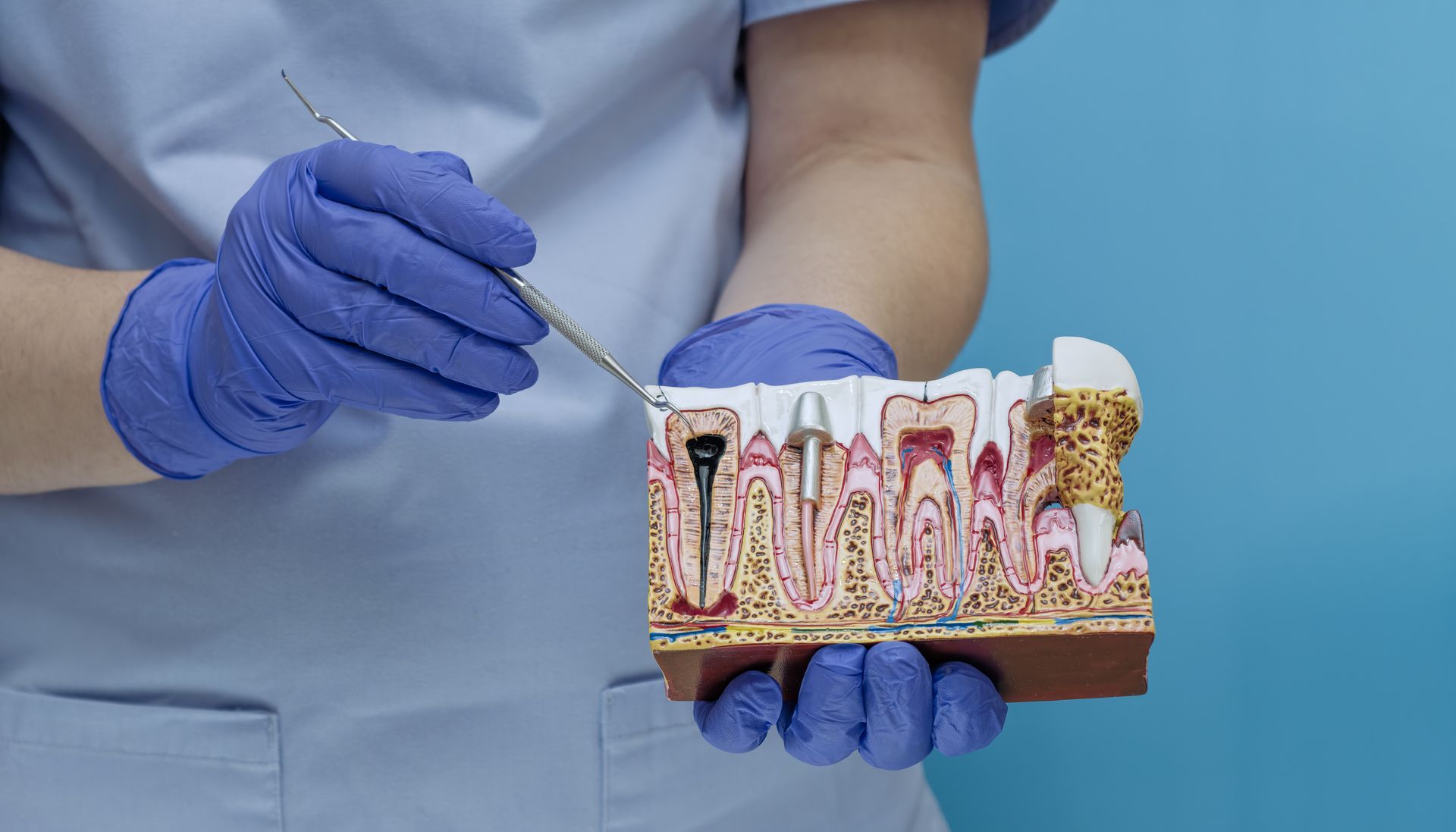
Root canal therapy is a reliable procedure that removes infected tissue from inside the tooth. Each tooth has a soft inner layer called the pulp, which contains nerves and blood vessels. When decay, a crack, or repeated dental work allows bacteria to reach the pulp, infection can set in. Left untreated, that infection causes intense pain and can spread to surrounding tissue.
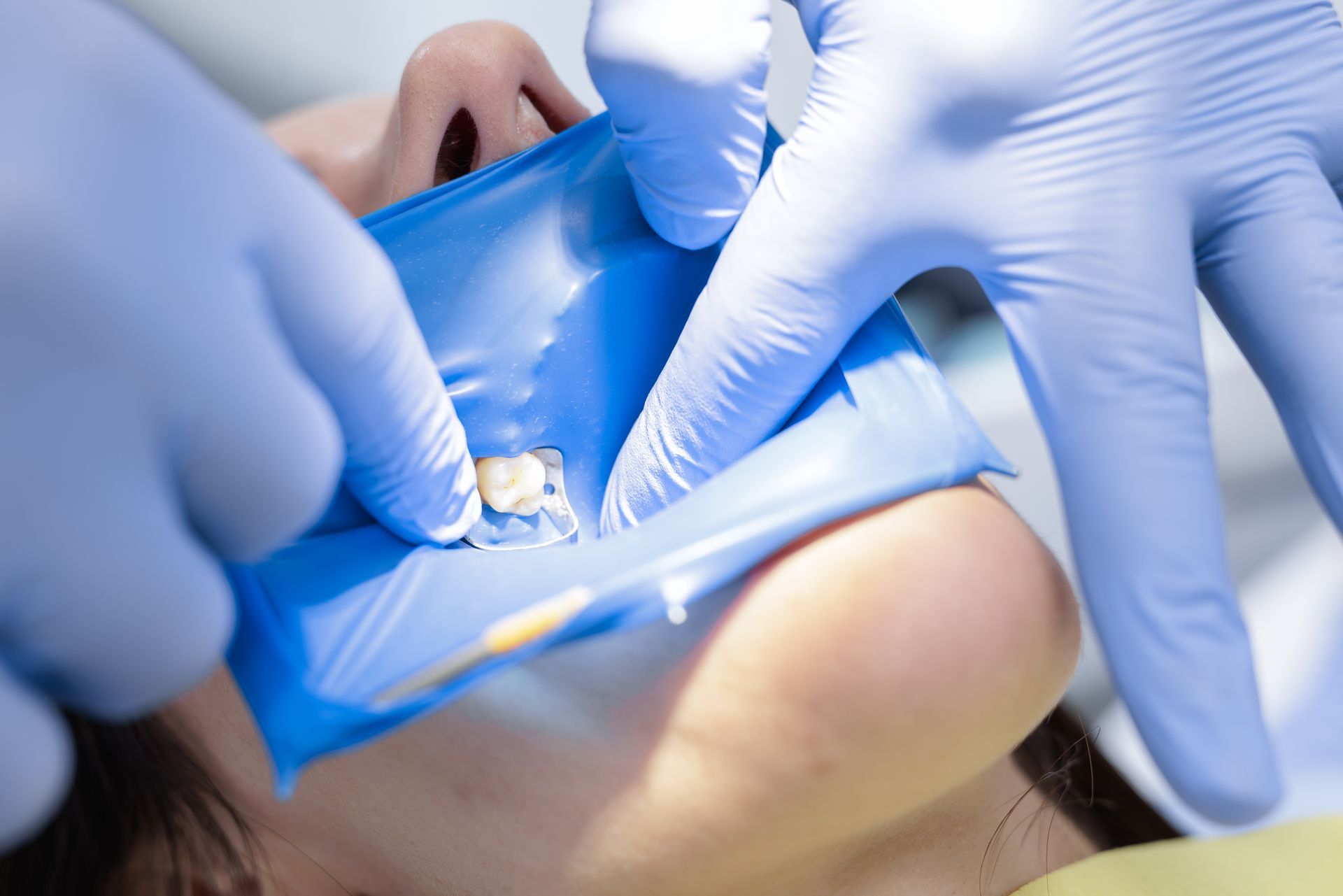
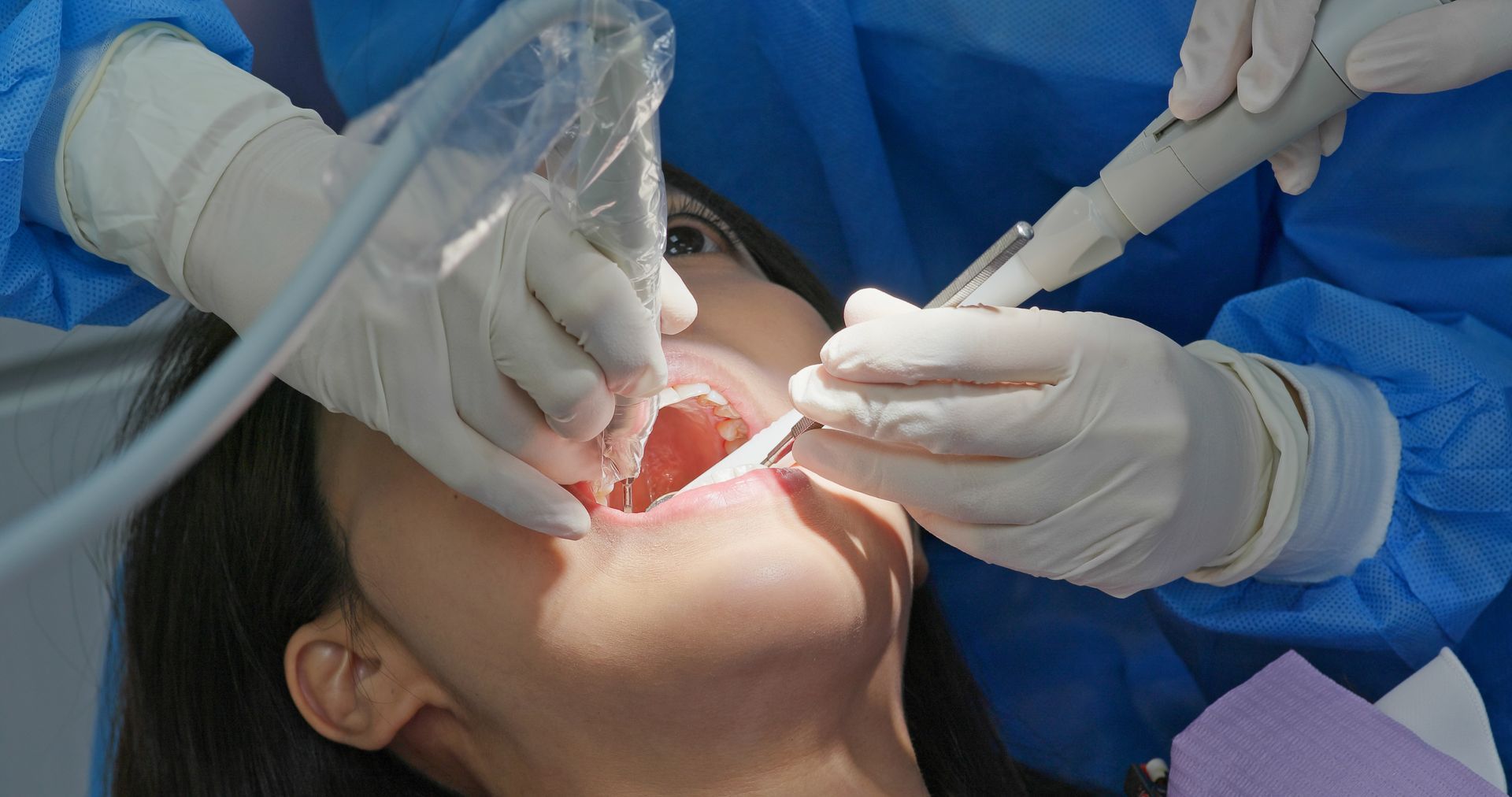
During treatment, the dentist numbs the area with local anesthesia so you feel little to no discomfort. A small opening is made in the tooth, the infected pulp is carefully removed, and the canals inside the root are cleaned and disinfected. The space is then sealed to keep future bacteria out. In most cases, a crown is placed afterward to protect the treated tooth and restore its full function.
Modern techniques and dental technology have made the procedure far more comfortable than older methods. Most patients are surprised by how manageable the experience feels compared to what they expected.
Does a Root Canal Actually Hurt?
This therapy typically relieves pain rather than causing it. The biggest misconception about this procedure is that it is extremely painful. In reality, the infection itself causes the severe discomfort, and the treatment eliminates that source of pain.
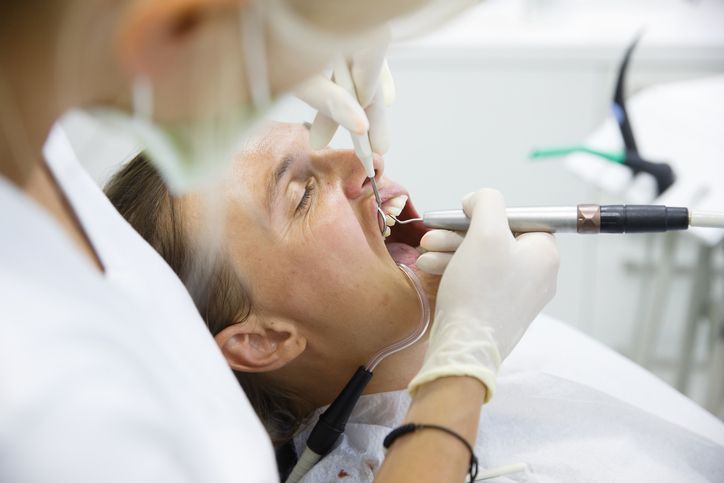
Local anesthesia is used throughout the procedure, and many dental offices serving Greensboro, NC, also offer sedation options for patients who feel anxious. After the appointment, mild soreness around the treated area is normal for a few days and can often be managed with over-the-counter pain relievers. The deep, throbbing ache that brought you in is typically gone once the infection is removed.
If dental anxiety has kept you from getting the care you need, know that sedation dentistry options may be available to help you stay comfortable from start to finish..
Endodontic Treatment vs. Tooth Extraction: Which Is the Better Option?
Saving your natural tooth is almost always the preferred outcome in dentistry. This treatment lets you keep the tooth in place, which helps maintain your bite alignment, supports the surrounding jawbone, and avoids the gap that extraction leaves behind.
Tooth extraction may seem like the simpler or faster solution, but it often leads to additional procedures. A missing tooth can cause neighboring teeth to shift, which may affect your bite over time. Replacing the tooth with an implant or bridge involves its own timeline, steps, and costs. For a detailed comparison, see Root Canal vs. Tooth Extraction.
This treatment, when performed on a restorable tooth, can help that tooth last for many years with proper care. That long-term outcome is one reason dentists typically recommend it when the tooth structure is sound enough to support a crown.
Signs You May Need This Treatment
Knowing the warning signs can help you get care before the problem becomes more serious. Common signs that you may need root canal therapy include:
▸ Persistent or throbbing tooth pain that does not go away on its own.
▸ Sharp sensitivity to hot or cold temperatures that lingers after the source is removed.
▸ Swelling or tenderness in the gums near a specific tooth.
▸ A small pimple-like bump on the gums, sometimes called a dental abscess.
▸ A tooth that has darkened or changed color noticeably.
▸ Pain when biting down or applying pressure to the tooth.
Not every toothache means you need this procedure, but these symptoms warrant a prompt dental evaluation. Delaying care can let the infection worsen and may reduce the chance of saving the tooth.
Can This Treatment Fail?
Root canal therapy has a high success rate, and treated teeth can function well for many years. In some cases, reinfection or a cracked root can cause issues to return. When that happens, a procedure called retreatment may be able to fix the problem. Regular checkups and good oral hygiene help support the long-term success of any treated tooth.
What Happens After Treatment?
After treatment, the tooth is typically restored with a dental crown to protect it from cracking under normal chewing forces. You may experience some sensitivity for a few days, which usually fades quickly. Your dentist will give you specific aftercare instructions and schedule a follow-up to confirm the area is healing well. For more on what to expect after treatment, visit Root Canal Recovery: Crowns and Next Steps.
Take the Next Step Toward a Pain-Free Smile
Root canal therapy can put an end to tooth pain and help you keep your natural smile for years to come. If you have been experiencing any of the warning signs described above, acting sooner gives you the best chance of a successful outcome.
High Point Smile Dentistry serves patients in the Greensboro, NC, area with endodontic care and a full range of restorative dental services. Call
(336) 884-4000 to schedule your consultation, or
request an appointment online. You can also find us and read patient reviews on
High Point Smile Dentistry.